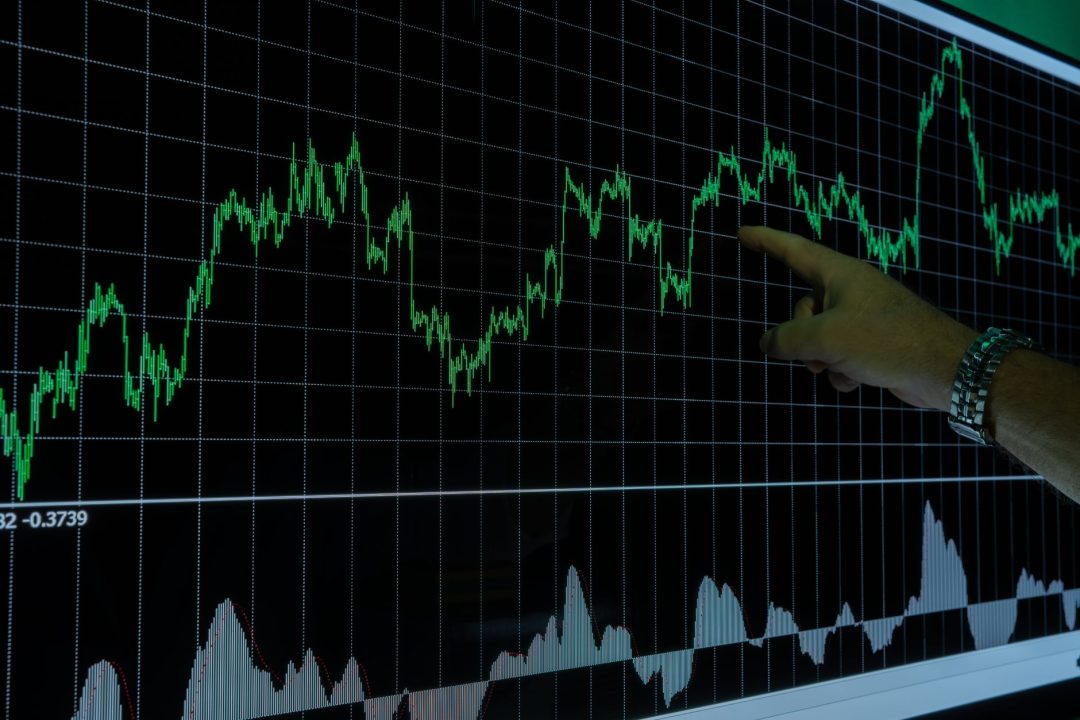
IMF Data Shows Tokenized Stocks Swing 1.5 Times Harder
 FxRoy
•
October 11, 2026
•
5 views


Tokenized stocks move differently because the plumbing underneath them is still thin. The IMF just put numbers on that difference and the gap is not small.
The Liquidity Shortfall Behind the Numbers
Traditional shares trade on exchanges with deep books and circuit breakers. Tokenized versions sit on blockchains where market makers can step away without penalty. When volume dries up the last trade prints and then nothing happens for minutes. That silence shows up in the volatility math.
The IMF measured realized volatility across matched pairs and found tokenized versions 1.5 times higher. Liquidity metrics told the same story in reverse: average depth at the inside quote sat roughly half what the underlying stock prints on the main exchange. Strong retail interest has not closed the difference yet.
Why Demand Has Not Fixed the Gap
Buyers show up fast when prices rise. Sellers do the same when sentiment flips. But the two sides rarely meet at size during off hours. One recent session saw a tokenized blue-chip name drop four percent on a single 200-share print while the regular share barely budged. The move reversed inside an hour once New York opened, yet the intraday swing stayed on the record.
That pattern repeats across names the IMF sampled. Twenty-four-hour access sounds convenient until a thin book meets an oversized order. Then price discovery happens in jumps rather than ticks.
How This Fits the Broader Tokenization Push
Central banks and asset managers keep testing tokenized funds and bonds. Stocks arrived later and still lack the same settlement rails or primary-market support. Without those pieces the secondary market stays retail-heavy and prone to one-way traffic. The volatility premium is the market’s way of pricing that missing infrastructure.
Traders who treat tokenized names as simple wrappers are learning the hard way. The selloff took a hit in several names last quarter precisely because a few large sells landed when no one else was quoting. The regular shares absorbed the same flow without blinking.
What Traders Should Watch Next
Position sizing matters more here than in the cash market. A 1.5-times volatility multiple means the same notional risk requires smaller size if you want comparable drawdowns. Slippage on exit can also erase the apparent yield advantage some platforms advertise.
If the IMF sample holds, the gap will narrow only when institutional market makers commit balance sheet or when primary issuance brings new supply that deepens the book. Neither looks imminent. Watch the spread between tokenized and cash prints on earnings days — those are the moments the difference shows up clearest.