India-Russia CBDC Talks Signal New Trade Settlement Routes
 FxRoy
•
September 13, 2026
•
2 views
FxRoy
•
September 13, 2026
•
2 views

India and Russia have moved past vague talk about cutting dollar reliance. Their central banks are now mapping out how state-backed digital currencies might handle actual cross-border payments for goods flowing both ways.
Why Bilateral Trade Volumes Are Forcing the Issue
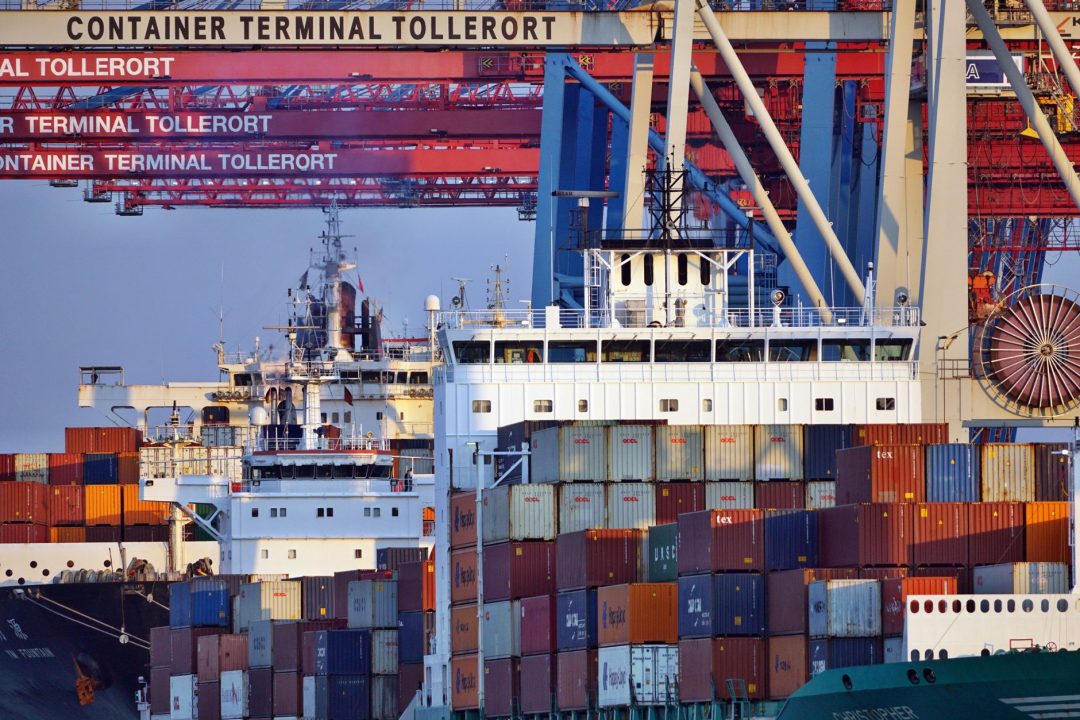
Trade between the two has climbed fast, driven largely by Indian purchases of Russian crude. The $60 billion mark is in sight, yet much of that volume still settles through channels that feel increasingly awkward under current sanctions. A direct CBDC link would let payments clear without routing through correspondent banks that have grown cautious.
That's the part traders often miss. It's not about flashy technology announcements. It's about finding a workaround that keeps oil, fertiliser and defence deals moving when SWIFT access stays restricted.
Central Bank Motivations Beyond the Headlines
The Bank of Russia has run domestic CBDC pilots for years, while India's RBI has kept its own e-rupee project on a slower track focused on wholesale use. Combining the two for trade settlement would mark the first real-world test of their interoperability. Herman Gref at Sberbank has already flagged the discussions, which suggests the idea has moved from research desks to policy meetings.
Still, both sides face the same constraint: any system has to respect capital controls that neither government wants to relax overnight. The technical work is only half the story.
What Currency Traders Are Watching
Spot INR/RUB has stayed thin and volatile precisely because settlement friction keeps liquidity providers on the sidelines. A functioning CBDC bridge could tighten those spreads over time, though nobody expects a sudden surge in volumes. For anyone already running emerging-market baskets, the development adds one more variable to the usual rupee drivers like oil prices and FII flows.
Arguments For and Against Faster Adoption
Advocates inside both central banks point to reduced settlement risk and lower costs once the rails are built. Sceptics note that regulatory alignment on KYC, data sharing and dispute resolution remains incomplete. Past attempts at alternative payment systems have shown that political will can evaporate when one side's priorities shift.
It's also worth remembering that most BRICS-level initiatives have taken longer to scale than their initial press releases suggested. This one carries the same risk of over-promising on timelines.
How the Story Could Develop From Here
Early pilots will likely stay small and limited to specific trade categories before any broader rollout. If the first batches clear without hiccups, other partners watching the experiment — think China or Brazil — may accelerate their own talks. The bigger question is whether the mechanism stays confined to this bilateral lane or leaks into wider forex usage.
Watch position sizing if you're trading INR crosses on the back of these headlines. Settlement changes rarely move rates overnight, but they can reshape liquidity patterns once they actually operate.