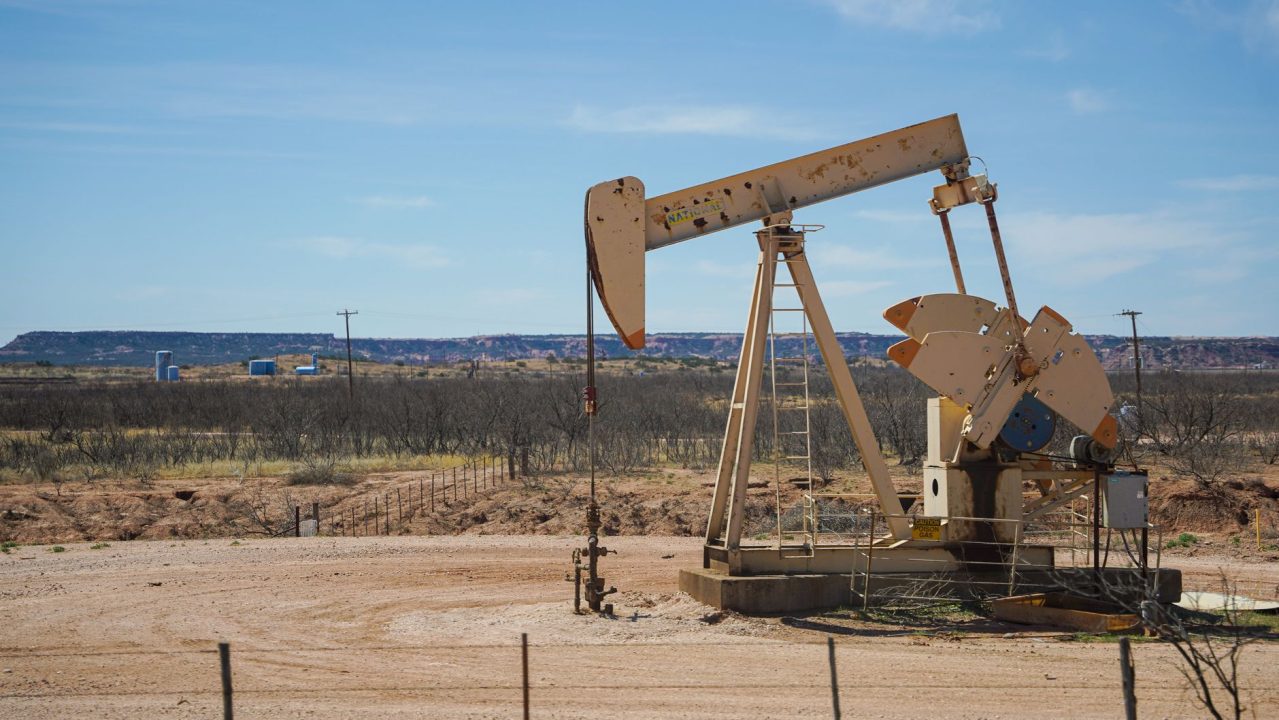
Oil Tanks on US-Iran Deal Details, TACO Moment Looms
 FxRoy
•
June 13, 2026
•
22 views
FxRoy
•
June 13, 2026
•
22 views

Brent crude fell more than 3 percent in early European hours after Iranian state media confirmed the outlines of a US memorandum that could be initialed as soon as Sunday.
Why the Oil Selloff Picked Up Pace
The drop came after IRNA reported that Iran has no plans to restore Strait of Hormuz traffic to pre-conflict levels, yet still signaled readiness to move forward on the draft text. That combination of restricted supply rhetoric and actual de-escalation language is what caught the market off guard. Traders who had been positioned for a prolonged standoff suddenly faced the opposite scenario.
Why does that matter? Because energy desks have spent the last two weeks pricing in a worst-case closure of the strait, only to see the threat dialed back without any visible concession on sanctions relief. The repricing was swift and mechanical.
A Familiar Pattern in Recent Years
This is not the first time headlines about an imminent US-Iran understanding have produced a sharp one-day reversal in crude. Similar moves occurred in 2019 and again in early 2021, both times after leaks suggested a memorandum was close but not yet signed. In each case the initial relief rally faded once negotiators returned to the table and gaps widened again. The difference this time is that the ECB’s Nagel and Dolenc both used their slots to stress flexibility on July policy, which adds another layer of cross-market hedging for anyone long energy.
SpaceX’s planned debut also sits in the background. A successful listing would likely pull risk appetite higher across growth names, but it does little to offset the direct hit to energy names if the oil move sticks.
Questions Still Open After the Drop
The draft remains unfinalized according to the same Iranian outlets that carried the original reports, so the risk of last-minute changes is real. At the same time, the US side has yet to confirm any timeline, which leaves room for the usual diplomatic theater. If the text leaks in full before Sunday, expect another round of volatility rather than a one-way move lower.
The ECB comments add their own uncertainty. Nagel’s insistence that all options remain on the table for July suggests policymakers are prepared to respond to any fresh energy shock, yet Dolenc’s remark that current rates already provide enough room implies they would prefer not to move. That tension is exactly what keeps volatility elevated even as spot crude falls.
Anyone watching the front-month contract knows these headline-driven swings rarely resolve cleanly in a single session. The next test comes with the Wall Street open and whatever fresh comment emerges from Geneva.