Tokenized Stocks Reach $29.5B but Ownership Rules Stay Murky
 FxRoy
•
September 13, 2026
•
2 views
FxRoy
•
September 13, 2026
•
2 views

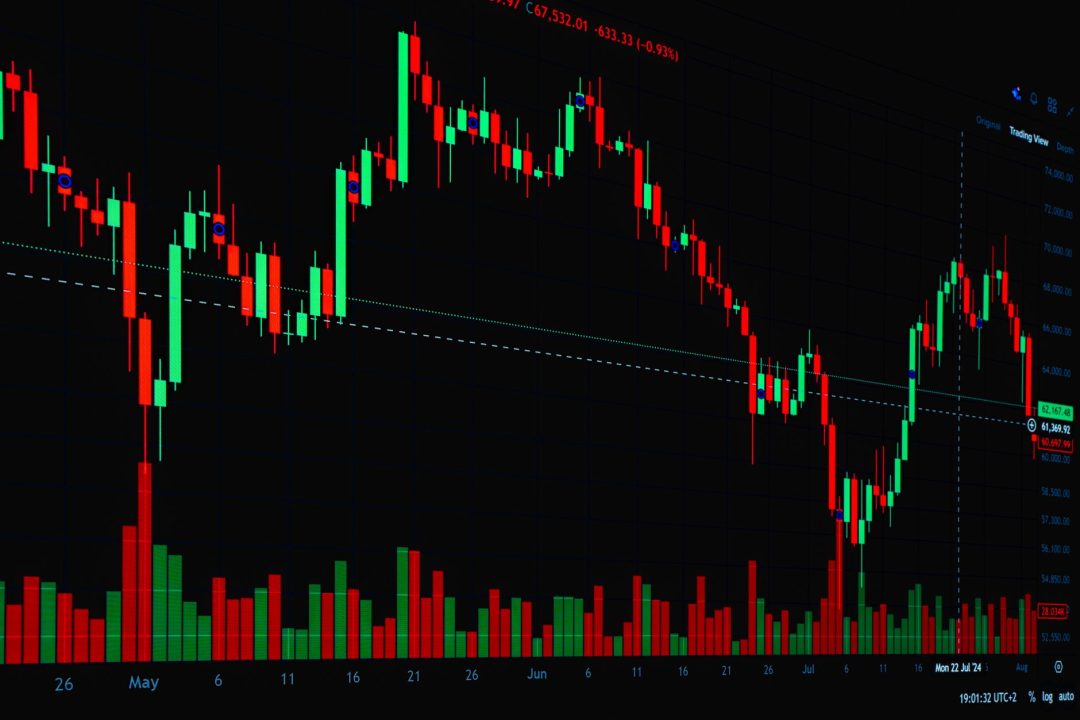
Tokenized stock volume keeps climbing, and the legal fine print hasn't caught up.
The Volume Jump No One Saw Coming
Transfers have now topped $29.5 billion. That's real money moving on-chain, not just pilot programs. New wrappers let investors hold exposure to equities they couldn't easily reach before, especially outside major time zones or without local brokerage accounts. Still, the mechanics behind each token vary more than most retail flows assume.
Why Legal Ownership Matters
Chan Ahn at Tessera PE points out the spread. Some structures deliver direct share ownership with voting rights and dividends. Others amount to a contractual claim that carries none of those privileges. The difference shows up the moment corporate actions hit or disputes arise. If you've held traditional shares, you know how those events play out. Token versions don't always follow the same script.
Access Gains Versus Hidden Trade-offs
24-hour trading and fractional exposure sound attractive. They pull in traders who used to sit on the sidelines. Yet the absence of standard shareholder rights can bite during takeovers, rights issues, or proxy votes. The market hasn't priced that gap consistently yet. Liquidity in the token layer can mask the underlying claim's weakness until something forces the distinction into the open.
That's the core issue.
What Recent Structures Actually Deliver
Some platforms route ownership through special purpose vehicles that hold the shares. Others rely on synthetic claims backed by collateral or derivatives. The first route tends to preserve more rights. The second can strip them away to simplify settlement. Data from recent issuances shows both models running in parallel, with investors often unaware until they check the prospectus.
Regulatory Eyes Are Turning
Central banks and securities regulators have started asking issuers for clearer disclosures. European frameworks and U.S. guidance both lean toward requiring explicit statements on voting and economic rights. No single standard has landed yet. That leaves room for product variation, but it also keeps compliance teams busy rewriting terms.
Market Reaction So Far
Volume has grown without a major legal test case. Spreads have tightened on the most liquid names. Still, bids on less transparent wrappers lag. Professional desks have begun asking for side letters that spell out recourse in default or restructuring scenarios. Retail flow hasn't shown the same caution yet.
What Comes Next
Watch for the first high-profile corporate action involving a tokenized line. That event will force clearer language from issuers and platforms. It could also trigger a split between products that survive scrutiny and those that don't. Liquidity will likely migrate toward the structures that hold up under stress.
Anyone sizing positions here should check the exact claim language before assuming standard equity treatment. The numbers look promising, but the rights attached don't always match what traditional share ownership delivers.