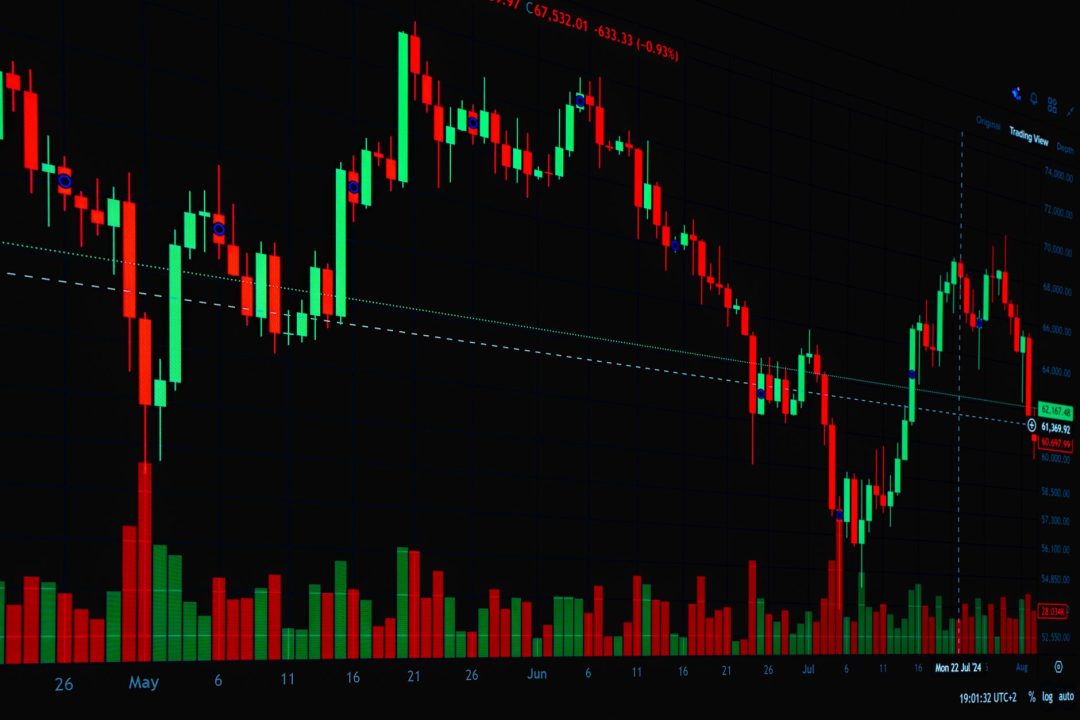
Tokenized Weekend Dollar Tests Expose FX Funding Gaps Traders Can't Ignore
 FxRoy
•
September 14, 2026
•
12 views


DBS and Citi ran a cross-border dollar payment over the weekend in minutes using tokenized deposits, and it’s forcing a fresh look at how dollar funding behaves when traditional markets shut down. The test didn’t just prove speed—it showed that 24/7 settlement rails could widen gaps traders usually only see on Monday opens.
Why the Weekend Test Matters for Dollar Liquidity
Ryan Kirkley, CEO at GSN, warned that always-on tokenized markets risk exposing a weekend dollar funding shortfall that’s been quietly building. Forex desks operate 24/5, but actual settlement and liquidity windows still pause. When tokenized deposits allow transfers any hour, the pricing of those dollars could shift fast once the market reopens.
That’s not theoretical. A sudden injection of weekend liquidity changes the cost of holding dollar positions through the close on Friday. Anyone running carry trades or funding short-term swings in pairs like USD/JPY or AUD/USD would feel the repricing first.
Central Bank Stance and Settlement Friction
Central banks have talked about improving cross-border payments for years, yet final settlement and foreign exchange pricing remain sticky points. Tokenized deposits sidestep some legacy rails, but they don’t erase the fact that most FX liquidity still concentrates during London-New York overlap. If weekend flows grow, the gap between on-chain settlement and off-chain liquidity could widen.
Traders have seen similar mismatches before—think the 2019 repo spike or the flash liquidity squeezes after certain Fed announcements. This time the trigger sits outside regular hours.
What Positioned Traders Are Watching
Desk flows show increased interest in overnight dollar funding instruments that extend into the weekend. Some houses are already modeling wider bid-ask spreads on Monday if tokenized volumes build. Others are testing whether they can roll positions earlier on Friday to avoid any new gap risk.
Still, it’s early. Most retail and prop traders haven’t adjusted screens yet, but the big accounts that move size on Sunday night are paying closer attention.
Two Views on Always-On Dollar Rails
One side argues tokenized deposits will tighten spreads and cut settlement risk by letting dollars move when counterparties need them, not when banks open. The other side points to unresolved questions around finality, collateral, and how FX rates get discovered outside normal hours—issues that could amplify volatility rather than dampen it.
Kirkley’s point lands in the middle: the technology works, but the market plumbing hasn’t caught up. That mismatch is where traders make or lose money on gap risk.
Where This Heads Next
Expect more pilots, but widespread adoption still sits months away. In the meantime, anyone holding weekend dollar exposure should size positions with the possibility of wider Monday gaps in mind. There’s no guarantee tokenized flows stay small, and a surprise volume spike could catch leveraged books off guard.