UK Banks Pin Tokenization Hopes on Faster FX Settlement
 FxRoy
•
October 2, 2026
•
10 views


UK financial institutions have zeroed in on faster settlement as the clearest payoff from tokenization, according to Lloyds Banking Group’s tenth annual survey released October 2. Seventy-one percent of the 100 senior figures polled said the technology will reshape financial services, a view that lines up with ongoing talks at the Bank of England about shortening the FX trade cycle.
Why Settlement Speed Keeps Coming Up in FX Desks
The survey singled out reduced settlement times as the single biggest advantage cited by respondents. In sterling-dollar and euro-sterling flows that still clear through legacy rails, that lag can stretch to T+2. A tokenised ledger that collapses the window would cut funding costs and free collateral that currently sits idle between legs of a trade.
That edge matters more now than it did even two years ago. Volatility spikes in GBP pairs have already forced desks to hold larger buffers; shaving a day off settlement would ease some of that pressure without requiring extra balance-sheet capacity.
Earlier Tech Shifts Offer a Rough Map
Previous pushes to modernise clearing, from CLS netting in the early 2000s to the gradual uptake of SWIFT gpi, delivered incremental gains rather than overnight revolutions. Tokenization could follow the same path—useful in specific pockets like corporate FX hedging but slower to reach every retail flow. The Lloyds data hints at realism on that score: only a minority expect wholesale replacement of existing systems inside five years.
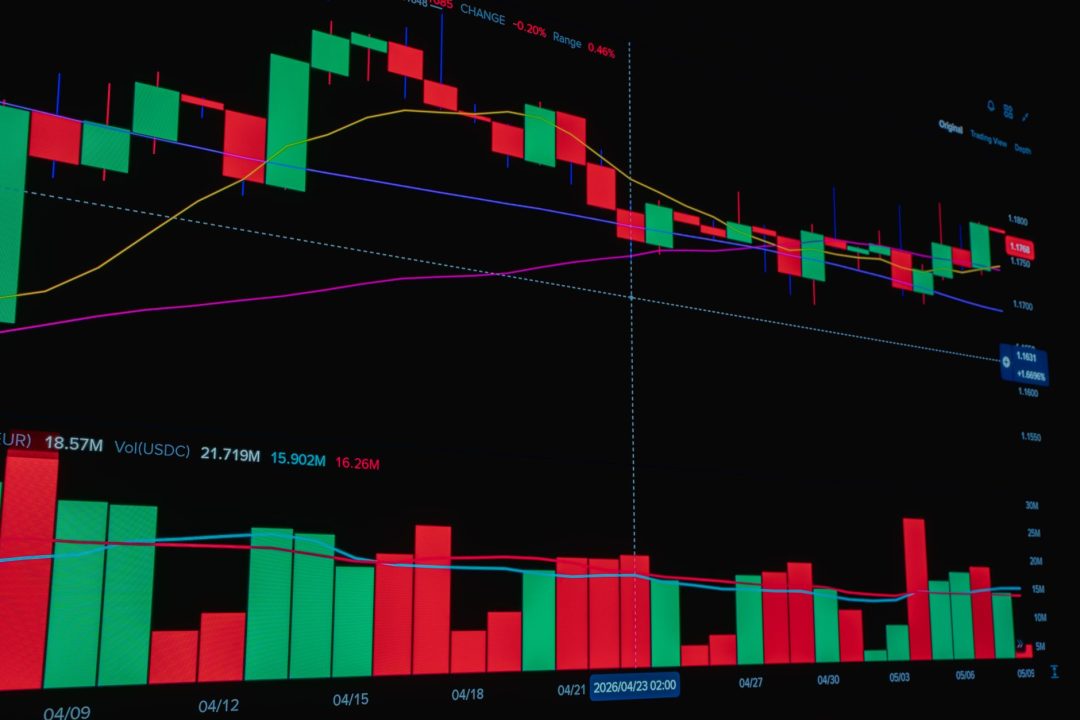
Market reaction so far has been muted. Sterling volatility indices barely budged after the release, and GBP/USD held its recent range. No major dealer has yet flagged a step-change in liquidity provision tied to the survey numbers.
The Open Questions Around Adoption
How quickly regulators will green-light on-chain settlement rails remains unclear. The Bank of England’s own experiments with a synchronised settlement platform are still in pilot stage, and any broad FX application would need coordinated changes at both the central bank and private-sector custodians. Why does that matter? Because without that alignment the 71 percent optimism stays theoretical.
Still, the direction of travel is consistent with moves already visible in Singapore and parts of the euro area, where tokenised bond issuance has begun to feed into related FX swaps. If UK institutions move at the same pace, the first live flows could surface by late 2025.
Anyone positioned for rapid cost savings should keep one eye on the rollout timeline. Delays in regulatory sign-off or interoperability standards have tripped up earlier efficiency plays, and this round looks no different.